Langue

Obtenez un devis
+ 86-152-5712-5882
Obtenez un devis
 Maison / Équipement / Accessoires de soudage / Electrode de soudage / Ф13 Head Chrome Zirconium Copper Soudage Copper Head Souding Electrode
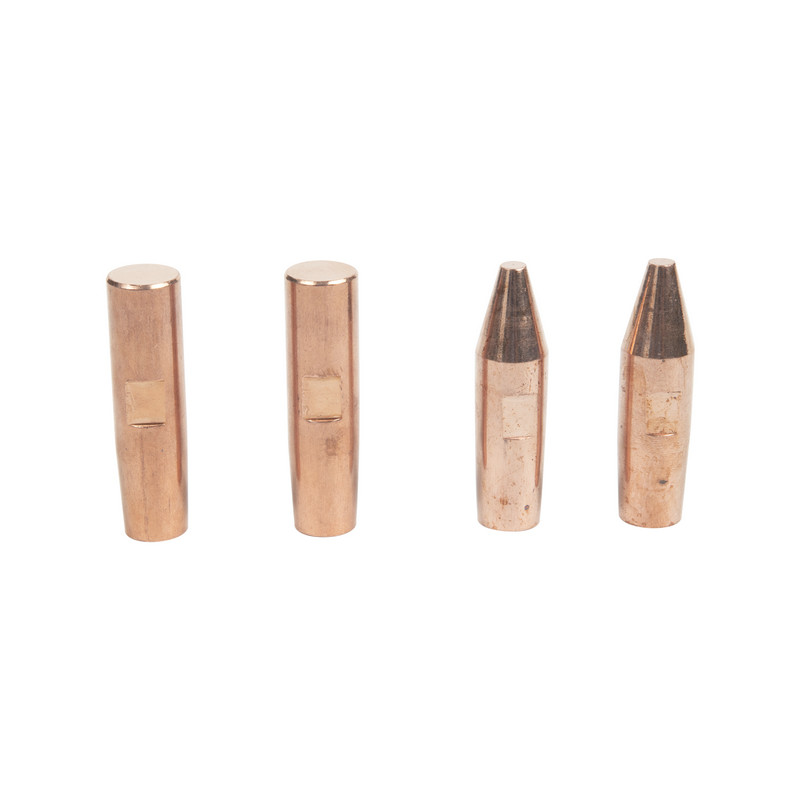
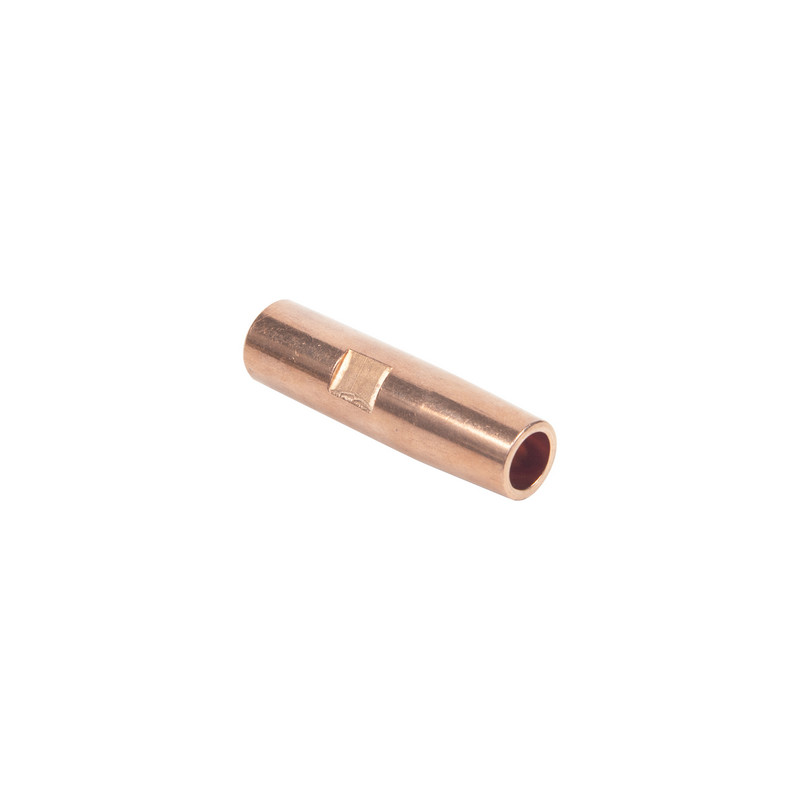
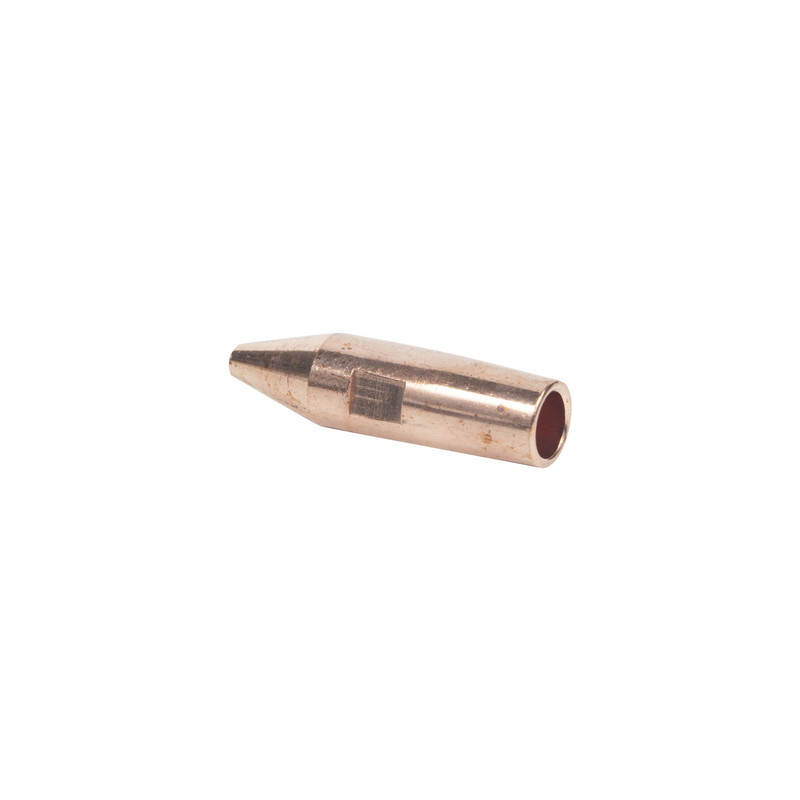
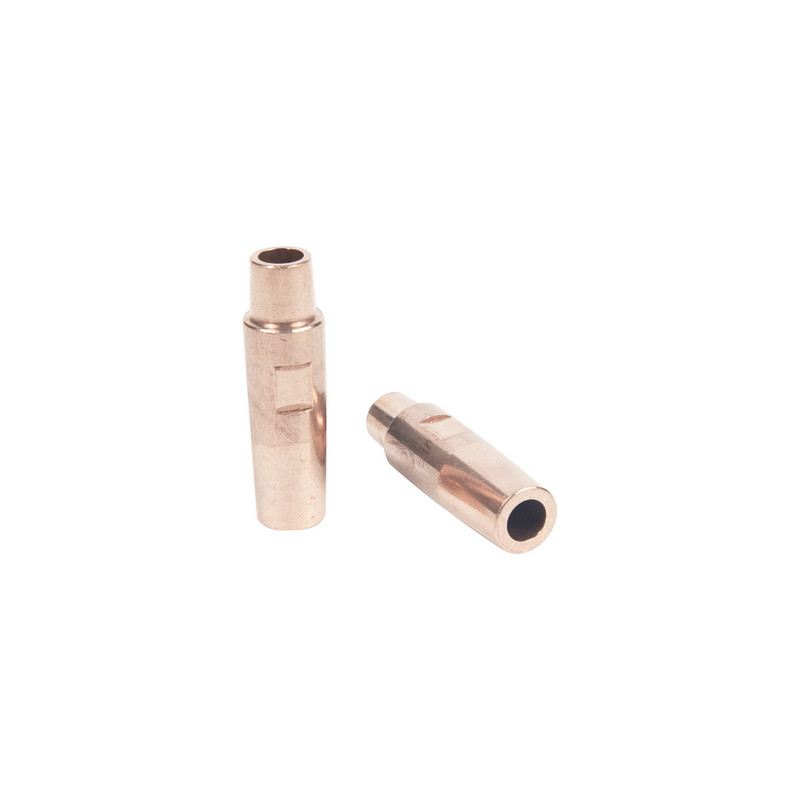
L'électrode de soudage de soudage en cuivre en cuivre en zirconium de tête ф13 est un composant crucial dans le circuit d'une machine à souder, responsable de la conduite du courant électrique et de la génération de la chaleur nécessaire pour le processus de soudage. Notre entreprise utilise du cuivre de chrome de zirconium comme matériau de nos électrodes de soudage, choisie pour ses propriétés exceptionnelles. Ce matériau possède une conductivité électrique et thermique élevée, ainsi qu'une dureté et une résistance à l'usure remarquables. Il résiste également à l'explosion, à la fissuration et à l'adoucissement, ce qui le rend très durable. Pendant le soudage, l'électrode connaît des températures élevées mais subit une perte minimale, contribuant à la rapidité du processus de soudage.

Caractéristiques
| Modèle n ° | T | L | Modèle n ° | T | L |
| MSC-1640-1 | 1/10 | 40 | MSP-1640-1 | 1/10 | 40 |
| MSC-1645-1 | 1/10 | 45 | MSP-1645-1 | 1/10 | 45 |
| MSC-1650-1 | 1/10 | 50 | MSP-1650-1 | 1/10 | 50 |
| MSC-1655-1 | 1/10 | 55 | MSP-1655-1 | 1/10 | 55 |
| MSC-1660-1 | 1/10 | 60 | MSP-1660-1 | 1/10 | 60 |
| MSC-1665-1 | 1/10 | 65 | MSP-1665-1 | 1/10 | 65 |
| MSC-1670-1 | 1/10 | 70 | MSP-1670-1 | 1/10 | 70 |
|
|
|
|
|
|
|
| MSC-1640-2 | MT # 2 | 40 | MSP-1640-2 | MT # 2 | 40 |
| MSC-1645-2 | MT # 2 | 45 | MSP-1645-2 | MT # 2 | 45 |
| MSC-1650-2 | MT # 2 | 50 | MSP-1650-2 | MT # 2 | 50 |
| MSC-1655-2 | MT # 2 | 55 | MSP-1655-2 | MT # 2 | 55 |
| MSC-1660-2 | MT # 2 | 60 | MSP-1660-2 | MT # 2 | 60 |
| MSC-1665-2 | MT # 2 | 65 | MSP-1665-2 | MT # 2 | 65 |
| MSC-1670-2 | MT # 2 | 70 | MSP-1670-2 | MT # 2 | 70 |
| Modèle n ° | T | L | Modèle n ° | T | L |
| MSF-1640-1 | 1/10 | 40 | MSE-1640-1 | 1/10 | 40 |
| MSF-1645-1 | 1/10 | 45 | MSE-1645-1 | 1/10 | 45 |
| MSF-1650-1 | 1/10 | 50 | MSE-1650-1 | 1/10 | 50 |
| MSF-1655-1 | 1/10 | 55 | MSE-1655-1 | 1/10 | 55 |
| MSF-1660-1 | 1/10 | 60 | MSE-1660-1 | 1/10 | 60 |
| MSF-1665-1 | 1/10 | 65 | MSE-1665-1 | 1/10 | 65 |
| MSF-1670-1 | 1/10 | 70 | MSE-1670-1 | 1/10 | 70 |
|
|
|
|
|
|
|
| MSF-1640-2 | MT # 2 | 40 | MSE-1640-2 | MT # 2 | 40 |
| MSF-1645-2 | MT # 2 | 45 | MSE-1645-2 | MT # 2 | 45 |
| MSF-1650-2 | MT # 2 | 50 | MSE-1650-2 | MT # 2 | 50 |
| MSF-1655-2 | MT # 2 | 55 | MSE-1655-2 | MT # 2 | 55 |
| MSF-1660-2 | MT # 2 | 60 | MSE-1660-2 | MT # 2 | 60 |
| MSF-1665-2 | MT # 2 | 65 | MSE-1665-2 | MT # 2 | 65 |
| MSF-1670-2 | MT # 2 | 70 | MSE-1670-2 | MT # 2 | 70 |
Produits recommandés
RESTER EN CONTACT
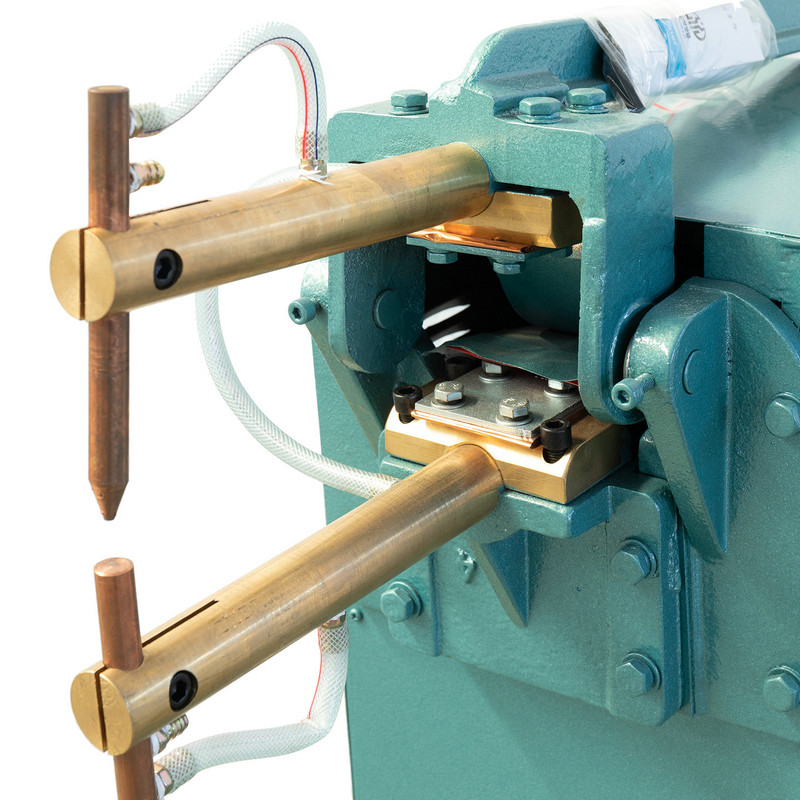
Chaque soudure est une décision de production. Lorsque vous choisissez une machine à souder électrique, vous choisissez réellement comment équilibrer la qualité de la soudure, la durée du cycle ...
EN SAVOIR PLUS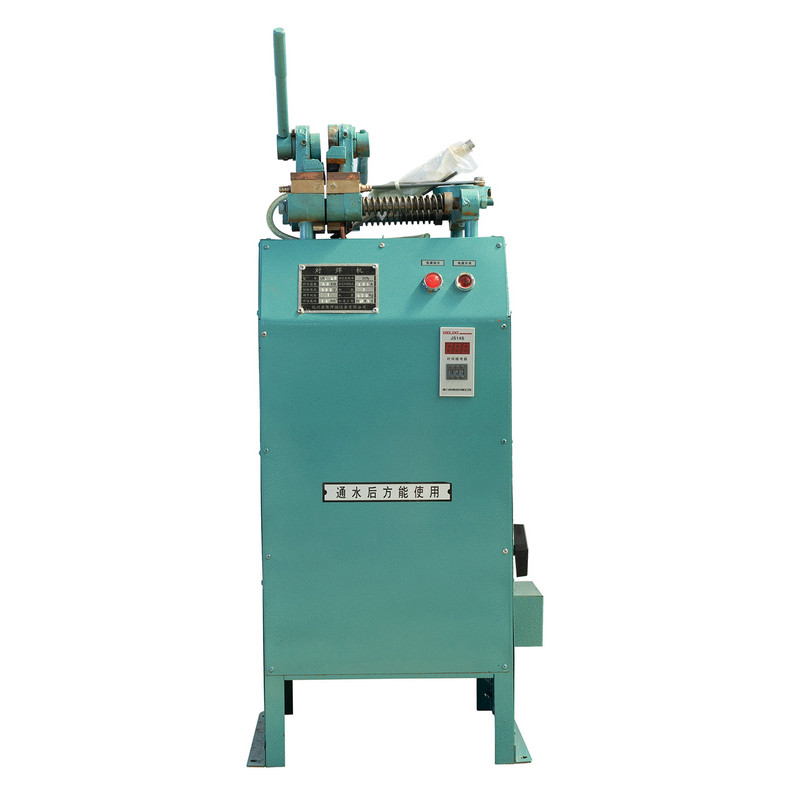
Comprendre le soudage bout à bout par résistance et le rôle de la technologie de soudage par flash L'assemblage de deux extrémités de barres métalliques face à face sans matériau d&#x...
EN SAVOIR PLUS
Comprendre la technologie de soudage par points de goujons aujourd'hui La fixation de composants sur des panneaux métalliques sans perçage ni rivetage est devenue une exigence standar...
EN SAVOIR PLUS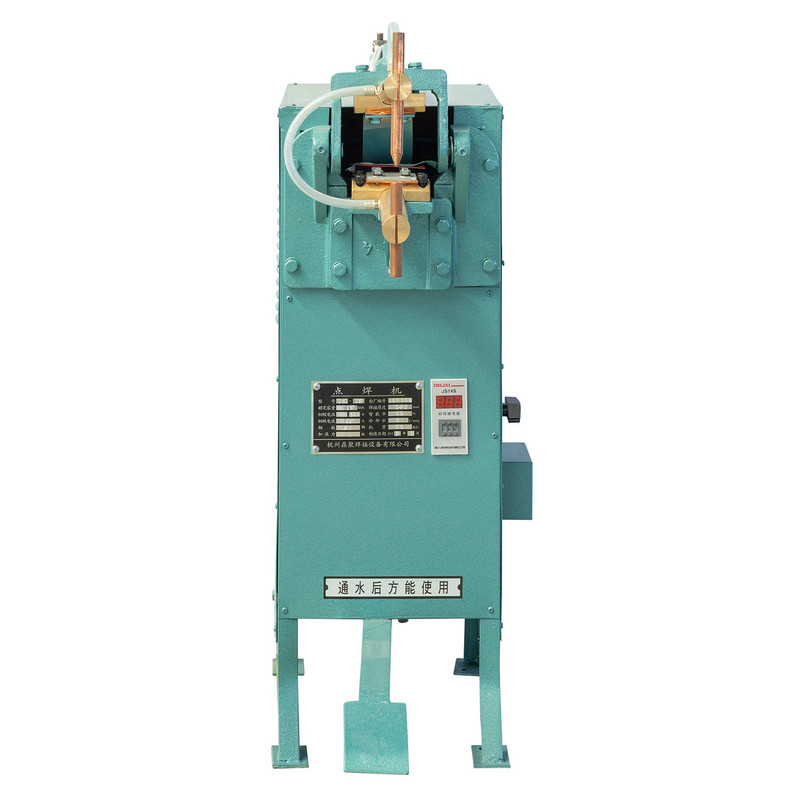
Catégories de machines de soudage par points et leurs différences L'équipement de soudage par points par résistance est généralement divisé en fonction de la manière dont la force de ...
EN SAVOIR PLUS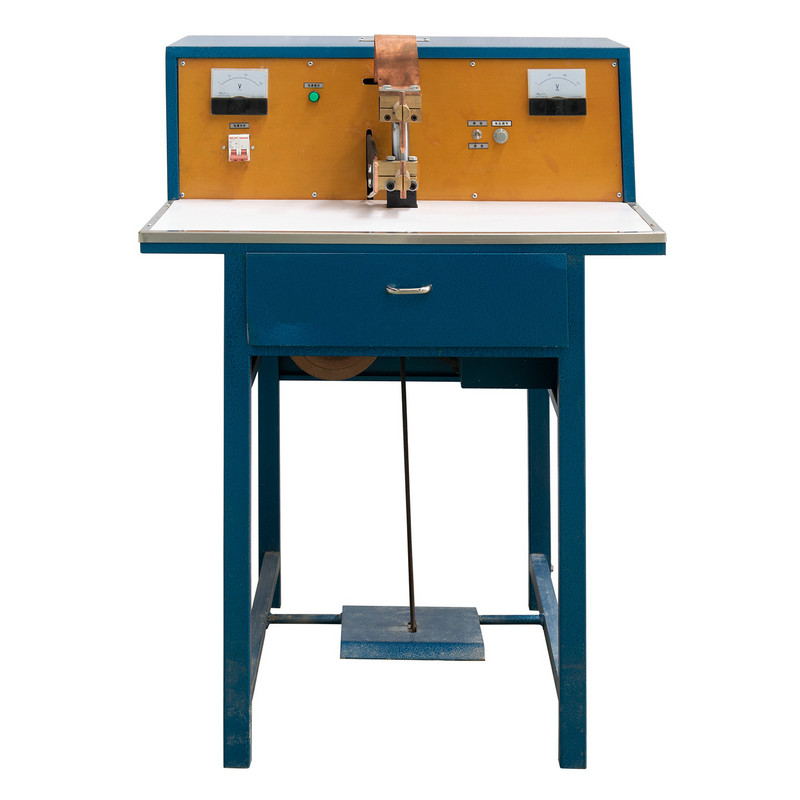
Why Heat Is the Hidden Bottleneck in Spot Welding Chaque soudure par points par résistance est, à la base, un événement thermique contrôlé. Une impulsion de courant brève et intense traver...
EN SAVOIR PLUS
Pourquoi la maintenance des électrodes et du contrôleur détermine la qualité de la soudure Dans le soudage par points par résistance, la qualité de chaque joint dépend de deux composants t...
EN SAVOIR PLUS
Produit
Coordonnées.
+ 86-152-5712-5882
Fax: + 86-563-2269966
N ° 21 Guangping Road, Guangde Economic Development Zone, Guangde City, Province d'Anhui
Code QR